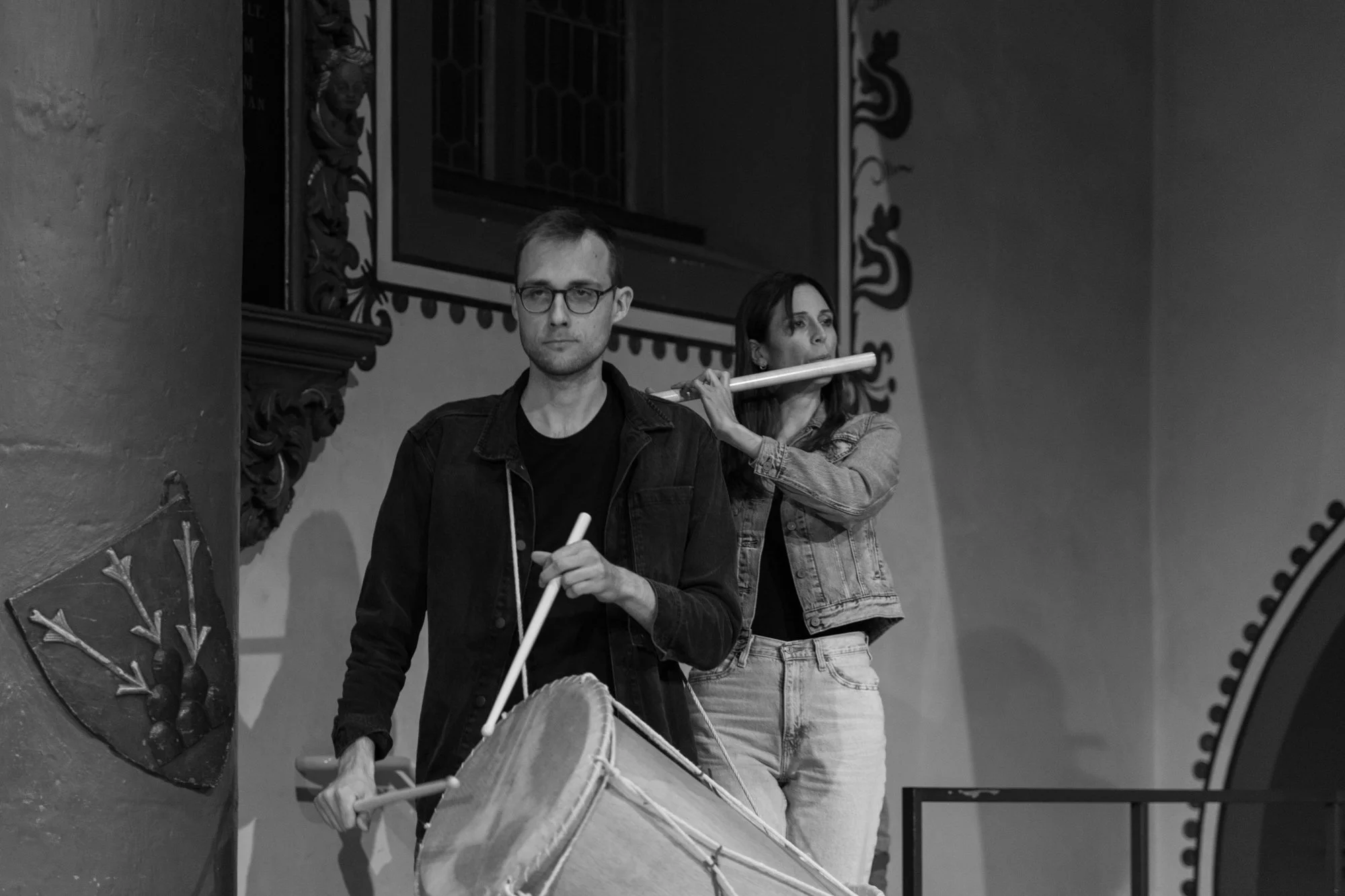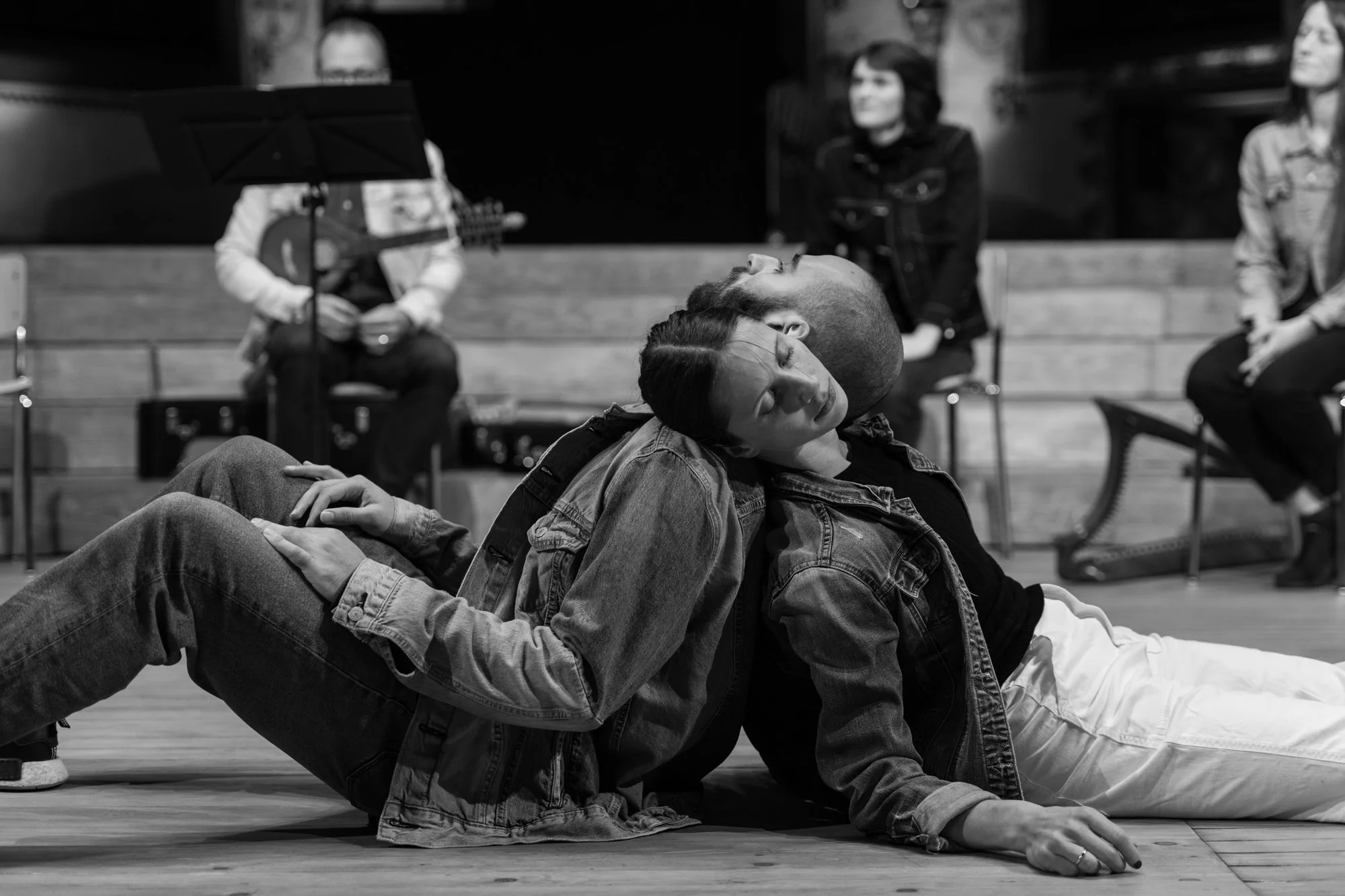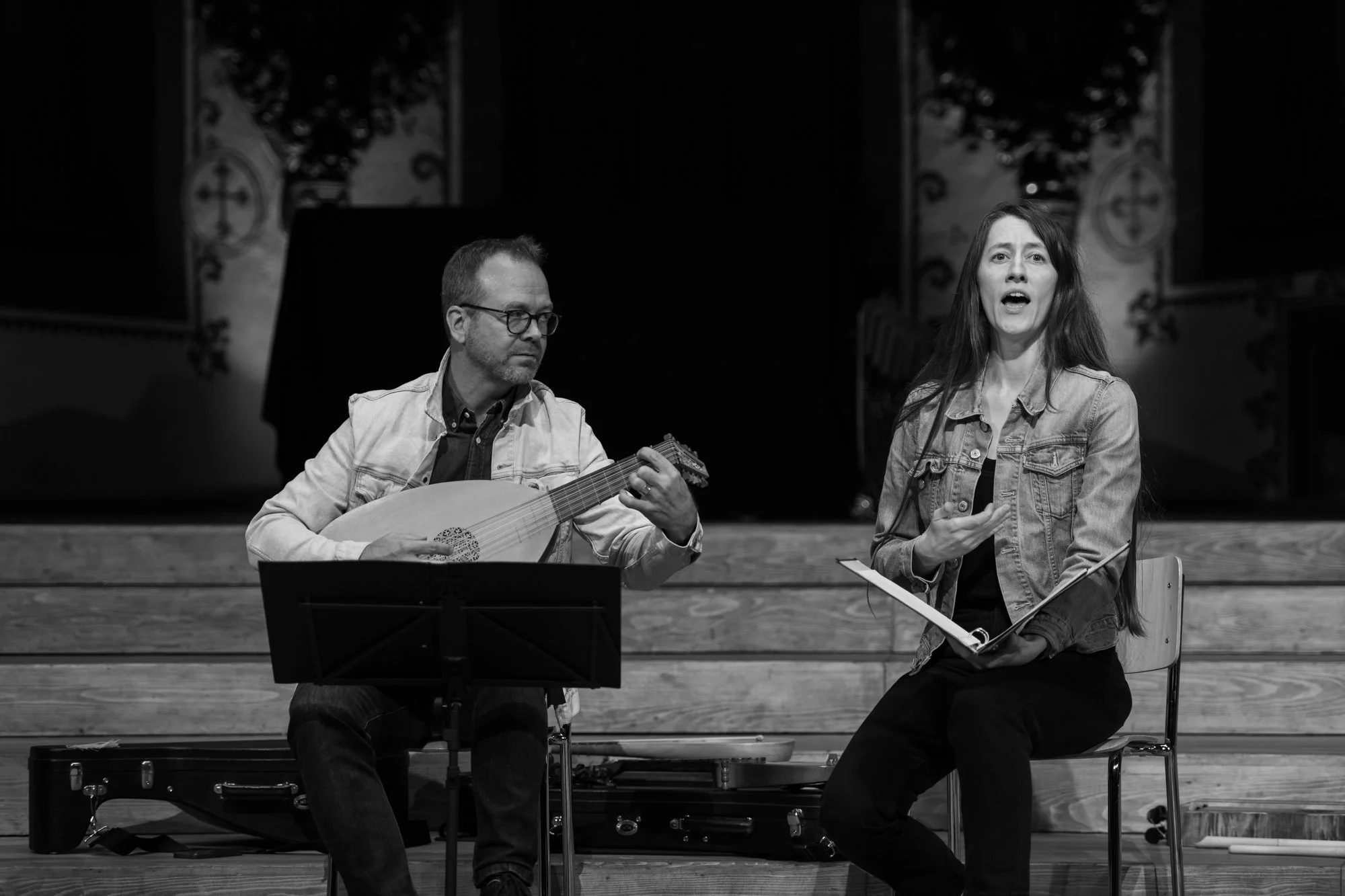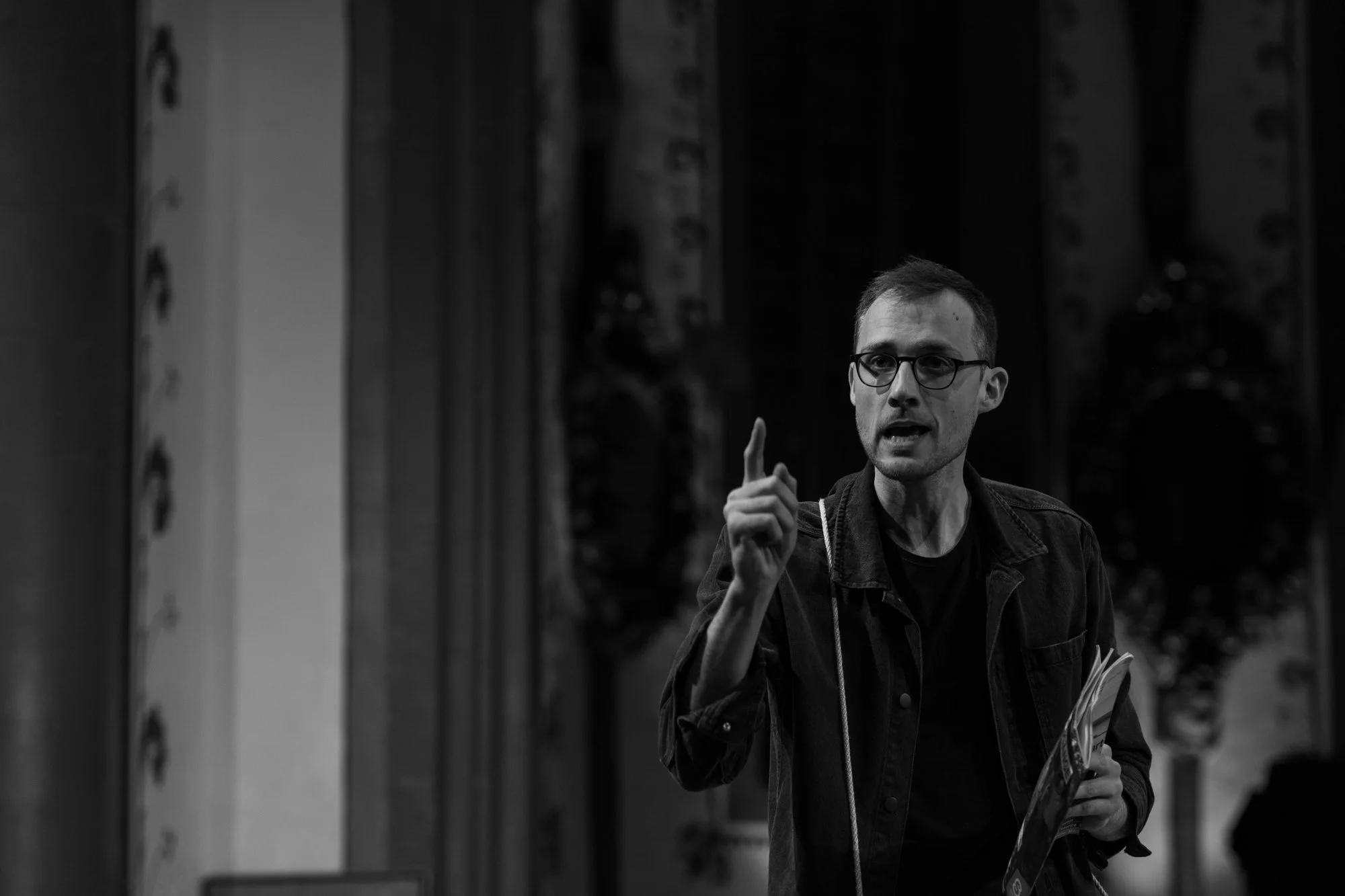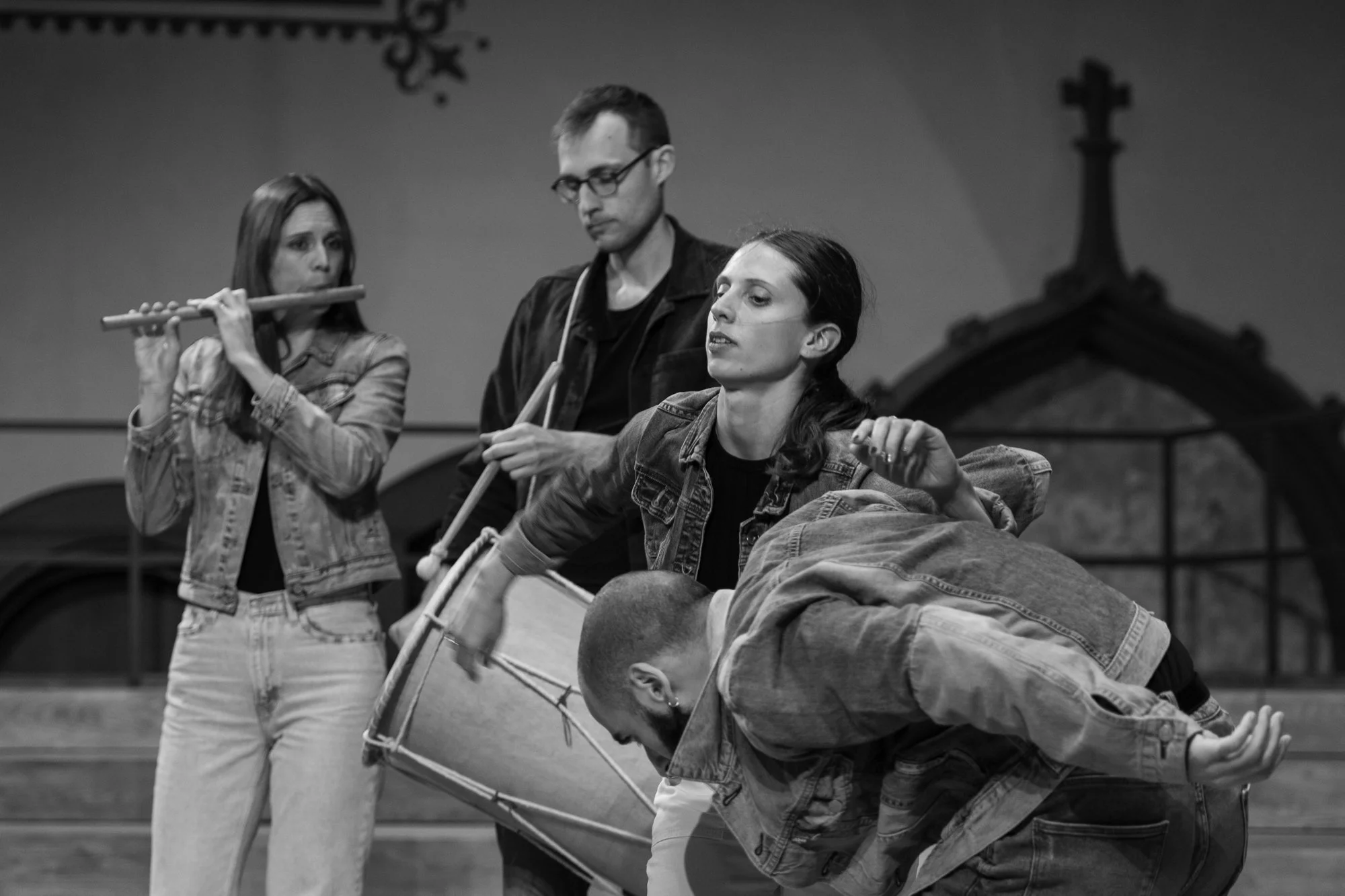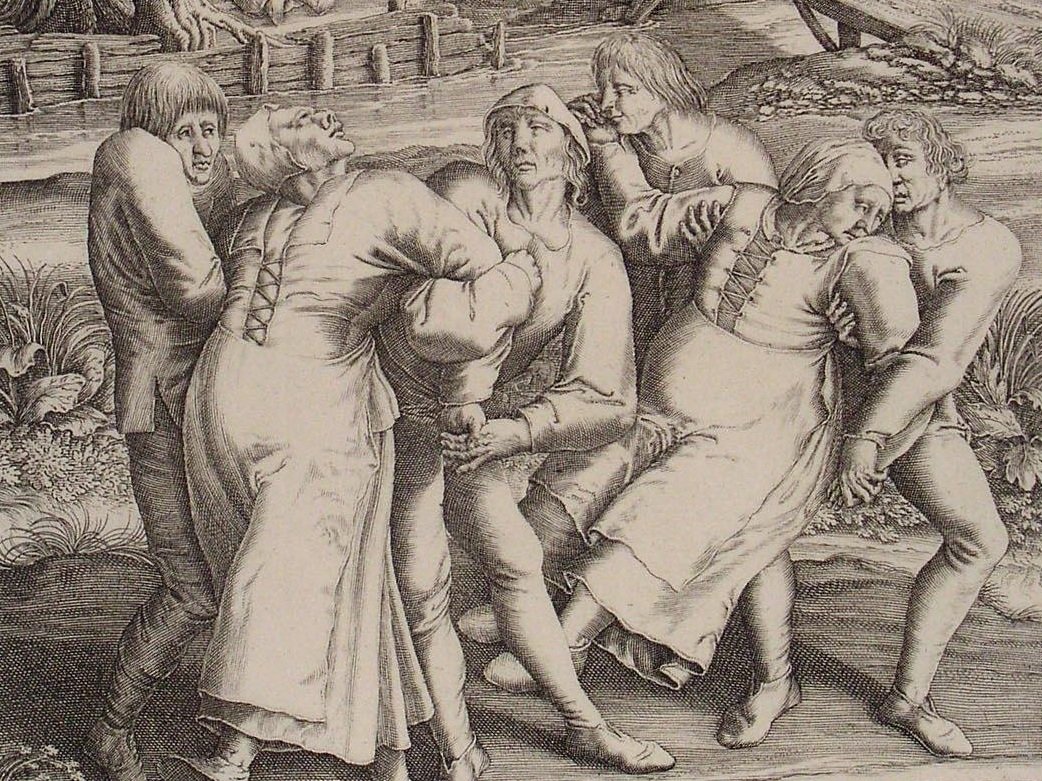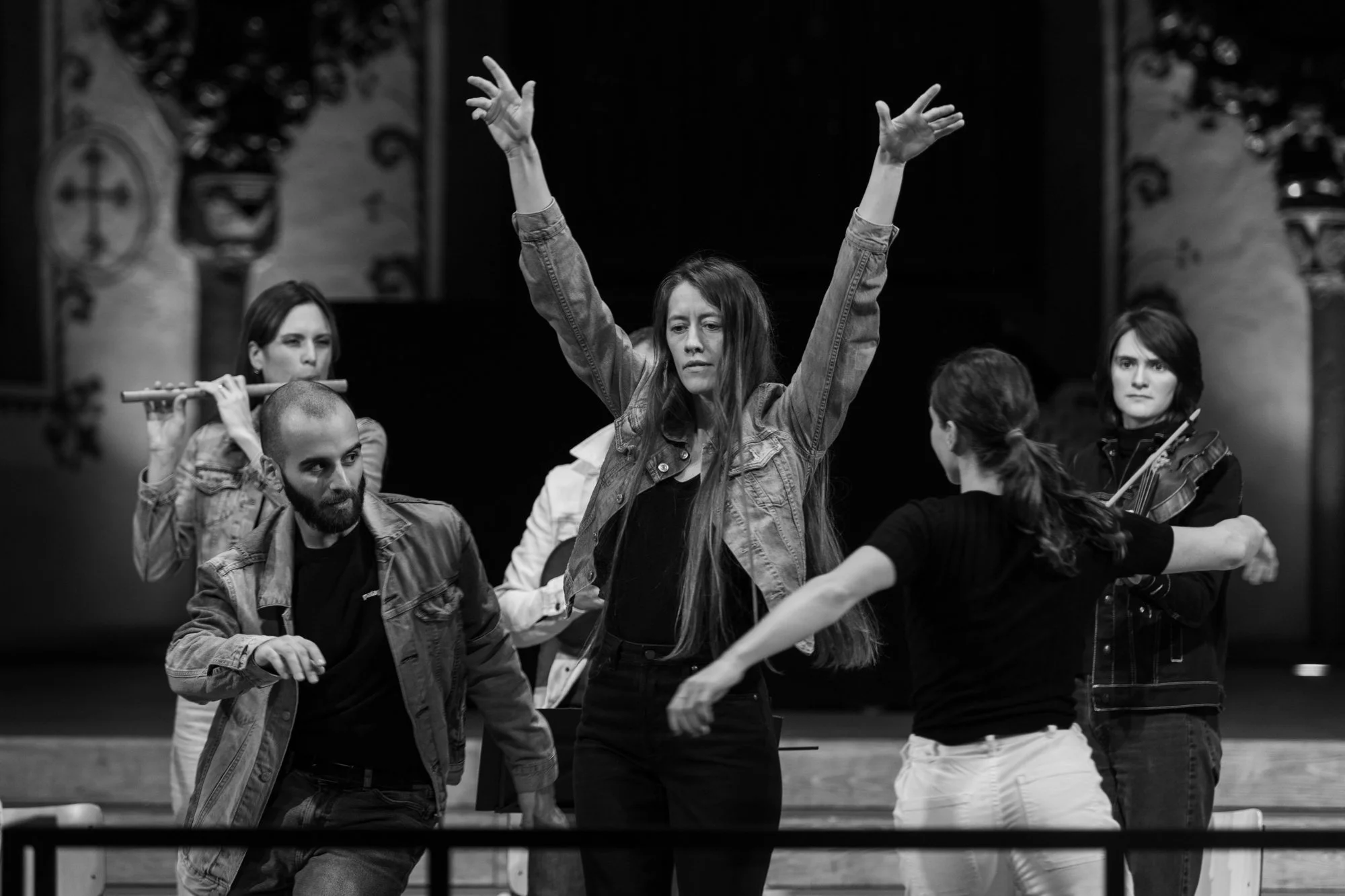
What made hundreds of people hit the streets and begin dancing uncontrollably in the summer of 1518? This performance addresses familiar problems of social inequality, mental health, and public policy using the lens of the past, weaving Renaissance music with contemporary dance and texts taken directly from 16th-century eyewitness accounts.

Tanzwut 1518:
The Dancing Plague

Tanzwut 1518

60 minutes
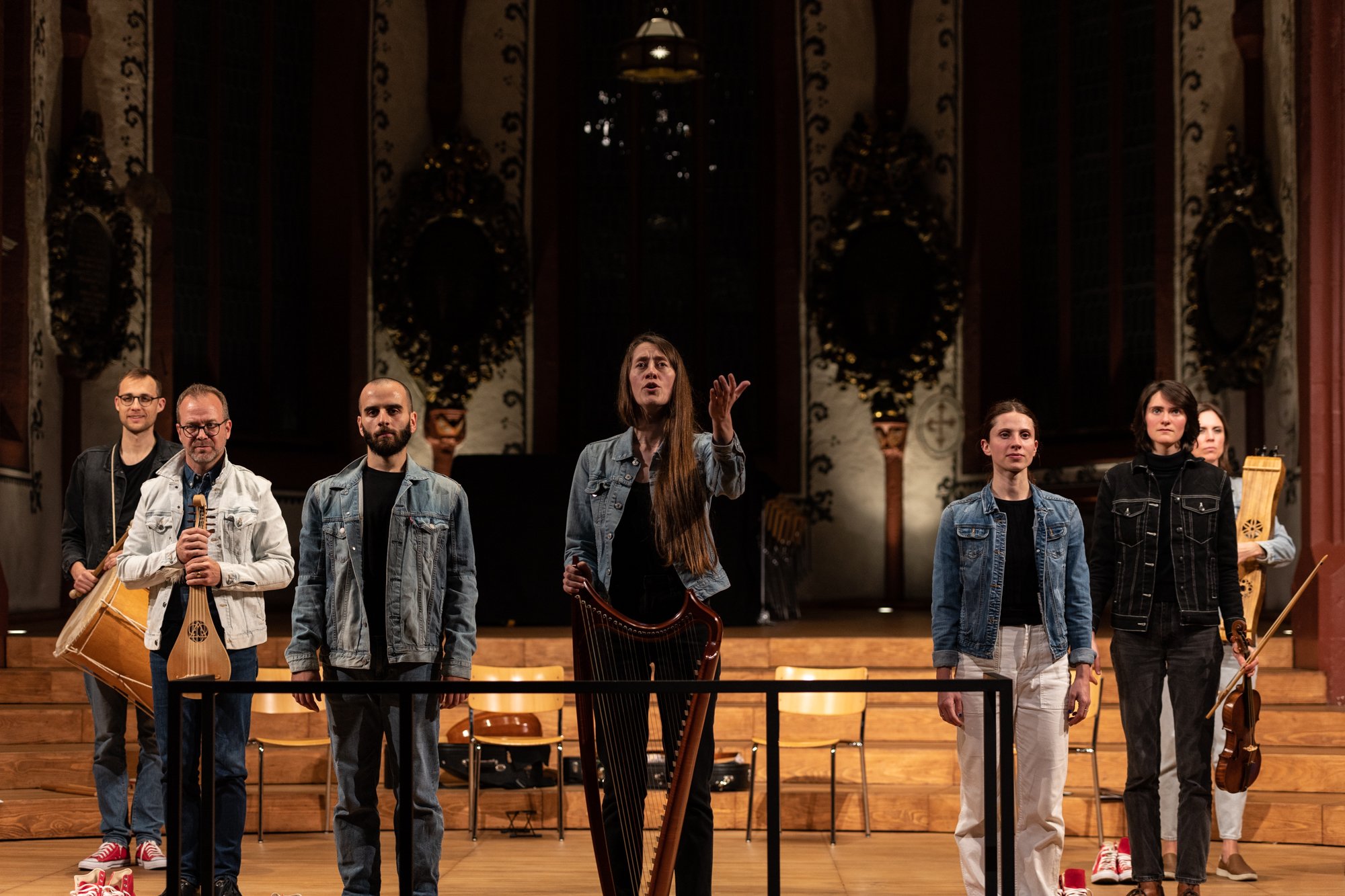
7 performers

Grace Newcombe – voice, gothic harp
Marc Lewon – lute, gittern, cittern, voice
Elizabeth Sommers – Renaissance violin
Philipp Wingeier – Renaissance drum, recitation
Christian Senatore – contemporary dance; choreography
Laetitia Kohler – contemporary dance; choreography
Holly Scarborough – transverse flute, pipe and tabor; concept, direction

Zum Programm (DE)

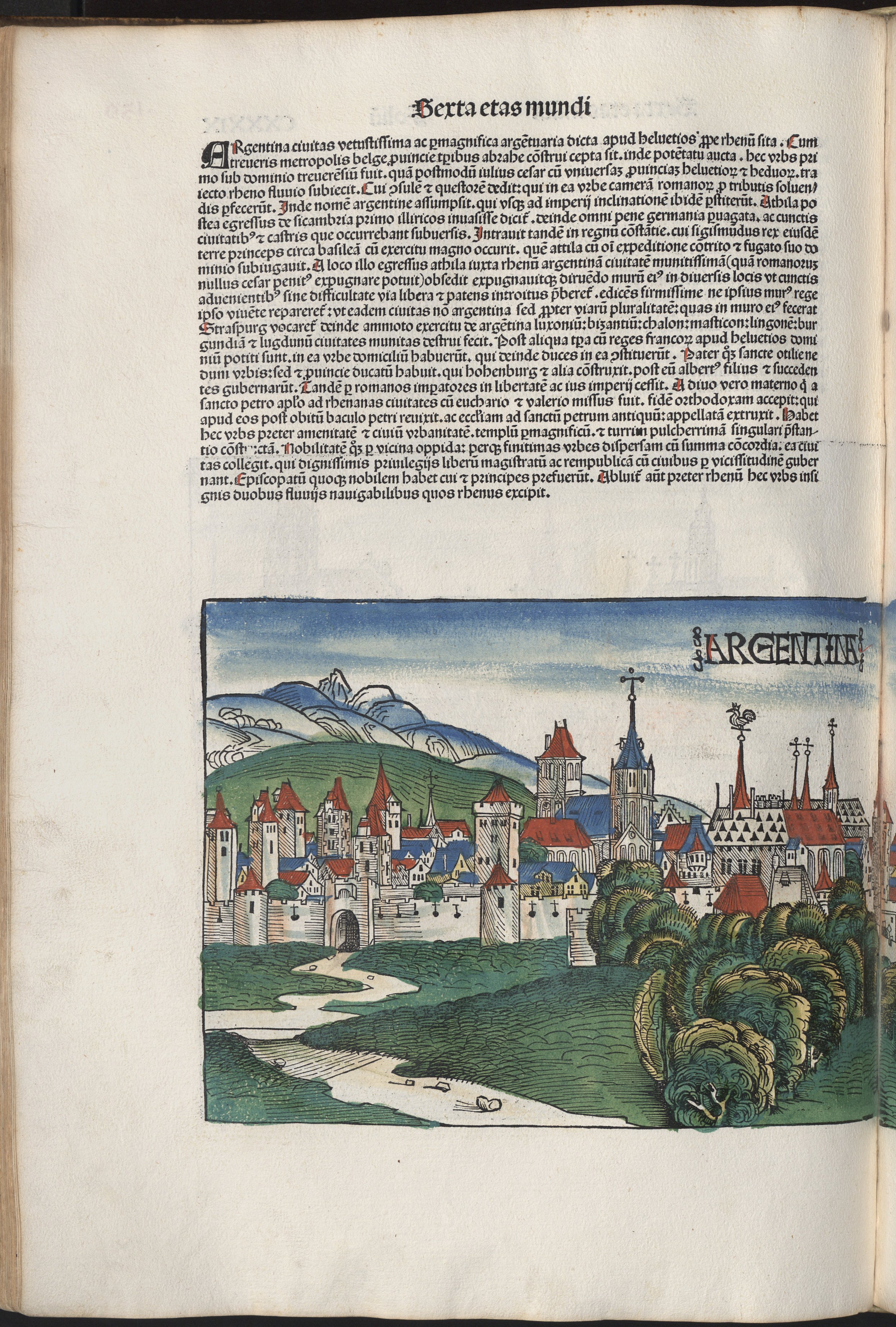
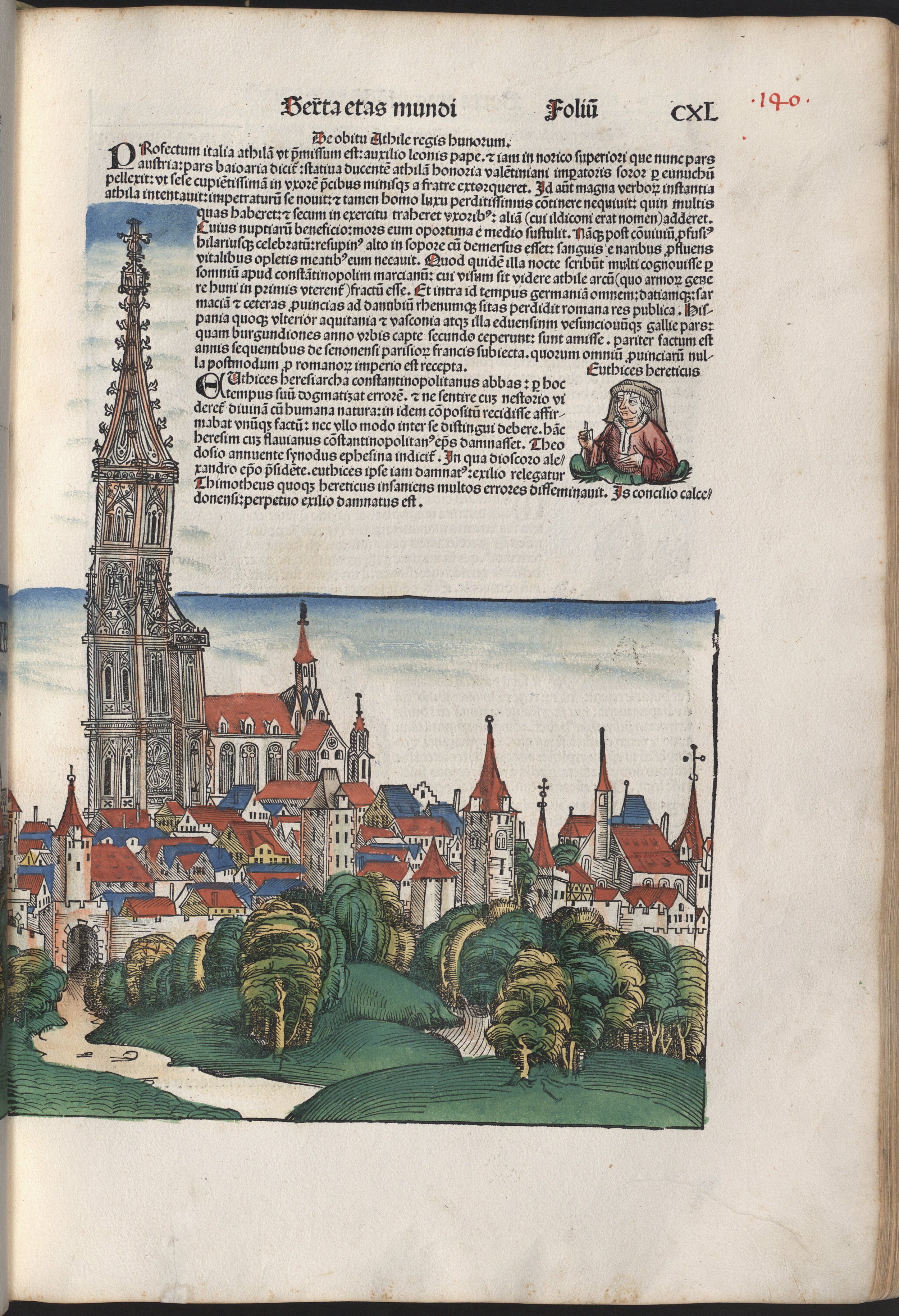
Die Strassburger Tanzwut, die vom 15. Juli bis 29. September 1518 dokumentiert ist, war einzigartig ansteckend; als Ausnahme zu dieser Regel dazu beschreibt Felix Platter eine Frau, die in Basel einen ganzen Monat lang tanzte, ohne andere anzustecken. Unfreiwilliges Tanzen (Choreomania) trat über Jahrhunderte hinweg in ganz Europa auf, mit einer ersten Episode in Kölbigk (1021), einer grossen Epidemie in mehreren Städten (1374) und zwei Ausbrüchen in Zürich (1418, 1452). St. Veit wurde sowohl als Ursache als auch als Heilmittel angesehen. Häufig waren Frauen davon betroffen. Der Historiker John Waller vermutet, dass das Massenphänomen in Strassburg durch Stress ausgelöst wurde. In der Tat belasteten zu dieser Zeit Hungersnöte, besorgniserregende astrologische Vorzeichen, vereitelte Bundschuh-Rebellionen und ein korrupter, aber äußerst mächtiger Klerus die bäuerliche Bevölkerung. «The Curse of St. Veit» kombiniert auf einzigartige Weise Interpretationen historischer Musik mit zeitgenössischen Elementen, um darüber zu reflektieren, wie ähnliche Herausforderungen heute bewältigt werden: der Kampf um menschliche Gleichheit, korrupte Regierungsorgane, Geisteskrankheiten und die Gesundheitspolitik.

Partners

Logo of the Christoph Merian Stiftung, with the words 'Christoph Merian Stiftung' in white text on a black background.
Logo of the Sophie and Karl Binding Foundation with a white abstract symbol and the foundation's name in white text on a black background.
Logo of Bern's municipal government with a crest featuring a lion and the words 'Bürgergemeinde Bern'.
Logo of Schweizerische Interprestiftung with large initials 'SIS' inside a circular design, and the organization name in German next to it.
Logo of the Ernst Göhner Foundation in blue text on a white background.
The logo of the city of Zurich's cultural department, featuring a stylized crest with two lions and a shield, and text reading 'Stadt Zürich Kultur' in blue.
BLKB Stiftung Kultur & Bildung logo with red arrow symbol and black text
Text reading 'Sulger-Stiftung' in black font on a white background.
Red text on a white background saying "BASEL LANDSCHAFT" with an abstract gear and ribbon icon, and smaller text reading "AMT FÜR KULTUR".
Logo with a stylized black torch and the text 'Kanton Basel-Stadt Kultur'.
Logo with a heart shape divided into two halves, one dark orange and one light beige, with the text 'MIGROS kulturprozent' next to it.
  • “Da erhub sich ein dantz von iungen und alten leutten, die tantzten tag und nacht, dass sie nider fielen, also dass über 100 zu Strassburg auff einmal tantzten. […] [Man] bestellte eigene leutt umb lohn, die mussten stets mit ihnen, tantzten mit trummen und pfeiffen; es half alles nichts. Viel tantzten sich zu tode.”

    Daniel Specklin, Chronik von Strassburg, 1587

  • "Anno 1518 jar 8 tag vor S. maria magdalena hub ein frauw an zu dantzen."

    Imlin’schen Chronik, 16th century

  • "In mehreren Sitzungen wurde [im Rat der 21] von Veitstänzern gesprochen: die Aerzte erklärten es für eine natürliche krankeit, die von hitzigem geblüt herkomme."

    Sebastian Brant, 1518

  • Viel hundert fiengen zu Straßburg an Zu tantzen und springen / Fraw und Mann / An offnen Marck / Gassen und Strassen / Tag und Nacht ihren viel nicht assen Biss in das Wuten wieder gelag / St. Vits Tantz ward genant di Plag.

    Königshoven, 1698